


























What Is the Most Common Cause of Fatal Scissor Lift Accidents?
2026-10-18 osen-lift Views: 0
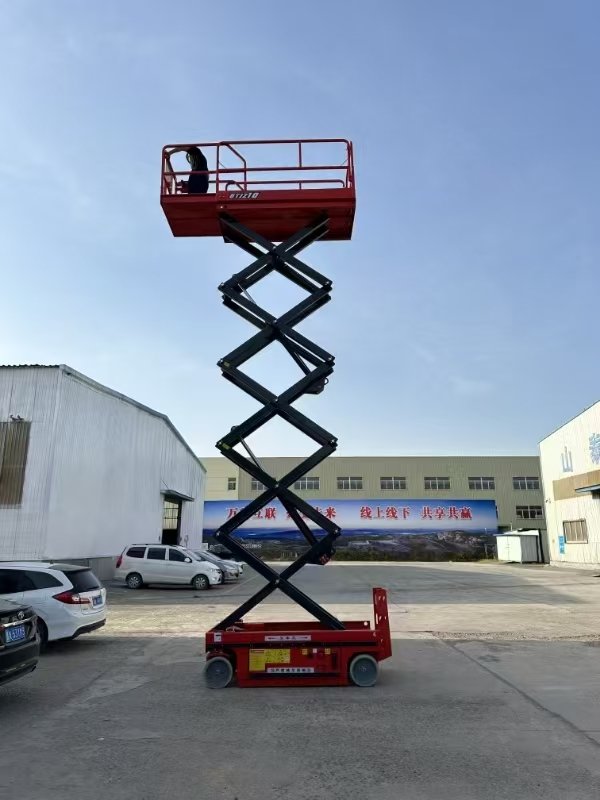
Aerial work platforms improve efficiency for overhead installation, maintenance and inspection work. However, scissor lift accidents can lead to severe injury or even death. Many facility managers and contractors often ask: What is the most common cause of fatal scissor lift accidents?
According to global aerial access safety reports, tip-over incidents are the leading cause of fatal scissor lift accidents. Scissor lift tip-overs usually happen when operators drive on uneven ground, overload the platform, hit overhead obstacles, or work on sloped surfaces beyond the machine’s rated limits. Other major contributing factors include falls from the platform, being crushed between the guardrail and overhead structures, and improper operator training.
Scissor lifts have a wide cross-arm base, but their large overall size makes them sensitive to ground conditions. Even small slopes, floor cracks or debris can create instability. The heavy weight of full-size scissor lifts also increases damage and injury once a tip-over starts.
Main Causes of Fatal Scissor Lift Accidents
-
Tip-over (Number One Cause)Overloading, operating on slopes, hitting walls or beams, and improper tire support are the top triggers. Scissor lifts are designed for flat, solid ground only. Operating on uneven surfaces breaks stability and leads to fatal tip-over events.
-
Ejection / Fall from the platformWorkers standing on guardrails or leaning outside the platform boundary can fall when the machine moves or jerks. Missing or damaged guardrails increase this risk.
-
Crushing hazardsOperators get trapped between the scissor lift guardrail and ceilings, beams, walls or other structures during lifting. This is another frequent fatal risk for scissor lift users.
-
Poor operator trainingUntrained operators do not understand load limits, slope restrictions or emergency stop procedures. Human error is a root factor behind most scissor lift fatalities.
-
Mechanical failure and lack of maintenanceFaulty hydraulic systems, brake failure or worn components can cause unexpected platform movement or collapse. Regular inspection is mandatory for scissor lift safety.
Safer Alternative: Vertical Mast Lifts
For indoor, light-duty aerial jobs, Aluminum Mast Aerial Work Platform and Telescopic Mast Aerial Work Platform offer safer operation compared with large scissor lifts. These vertical mast lifts raise straight up rather than relying on cross scissor arms.
Aluminum Mast Aerial Work Platform
Aluminum Mast Aerial Work Platforms use lightweight aluminum nested masts.
-
Compact slim body, low overall weight
-
Designed for flat indoor floors such as malls, offices and exhibition halls
-
Lower platform height and smaller working envelope
-
Load capacity:150kg–300kg for single operator and light tools
-
Less risk of tipping for indoor level-ground work
Telescopic Mast Aerial Work Platform
Telescopic Mast Aerial Work Platforms use robust nested steel sleeves.
-
Strong steel mast structure, better stability
-
Supports higher working heights
-
Optional waterproof and anti-rust treatment for outdoor level sites
-
Built with reliable hydraulic control and emergency lowering system
Vertical mast lifts still require proper operation and safety checks. But their compact, vertical lifting design reduces the tip-over and crushing risks seen on large scissor lifts, especially inside buildings with narrow aisles.
How to Reduce Aerial Lift Accident Risks
Whether you use scissor lifts or vertical mast lifts, follow these core safety rules:
-
Never exceed the rated load capacity
-
Only operate on firm, level ground
-
Avoid overhead obstacles and watch for crushing zones
-
Provide full operator training before use
-
Inspect brakes, hydraulics and safety guardrails before every shift
-
Keep all body parts inside the platform guardrail
FAQ
Q: What is the most common cause of fatal scissor lift accidents?
A: The most common cause is machine tip-over, usually triggered by overloading, operation on slopes, ground unevenness or collision with fixed structures. Crushing and falls are the next leading fatal hazards.
Q: Are vertical mast lifts safer than scissor lifts for indoor work?
A: For single-operator indoor light-duty tasks, Aluminum Mast Aerial Work Platform and Telescopic Mast Aerial Work Platform have lower tip-over and crushing risks than full-size scissor lifts, thanks to their vertical lifting structure and smaller footprint.
Q: Can scissor lifts be used on sloped floors?
A: Most scissor lifts only allow very limited slope. Operating on steep slopes will greatly increase the chance of tip-over and fatal accidents.
Q: Do vertical mast lifts need safety training?
A: Yes. Operators must receive proper training regardless of the aerial work platform type. Training covers load limits, emergency stop and site hazard awareness.
Final Thoughts
Tip-over remains the most common cause of fatal scissor lift accidents. While scissor lifts excel for heavy-load multi-person tasks, they carry serious stability risks on uneven or confined job sites.
For indoor maintenance, lighting installation and exhibition setup with one worker and light tools, Aluminum Mast Aerial Work Platform and Telescopic Mast Aerial Work Platform are a safer aerial access option. Contact us to learn more about vertical mast lift specifications for your project.