


























Self‑Propelled Scissor Lift vs Articulating Boom Lift: Which to Buy?
2026-10-20 osen-lift Views: 0Buyers sourcing aerial access equipment frequently get stuck choosing between self-propelled scissor lift and articulating boom lift. Both machines lift workers to elevated work points, but they are built for fundamentally different jobs. Picking the wrong machine means slow work progress, wasted budget and limited flexibility on site. A scissor aerial work platform moves vertically in a straight line, while an articulating boom lift uses hinged boom sections to reach over obstacles.
An electric self-propelled scissor lift shines when you have a flat, unobstructed spot directly below your work area. Its large rectangular platform gives plenty of space for multiple workers, hand tools and material buckets. If your work involves ceiling panels, light fitting, duct installation or routine overhead inspection inside warehouses, malls and office buildings, scissor-type units usually deliver better value. They also cost less upfront and have simpler maintenance routines than boom lifts. Rental operators often point out that scissor models have higher utilization for general indoor maintenance work.
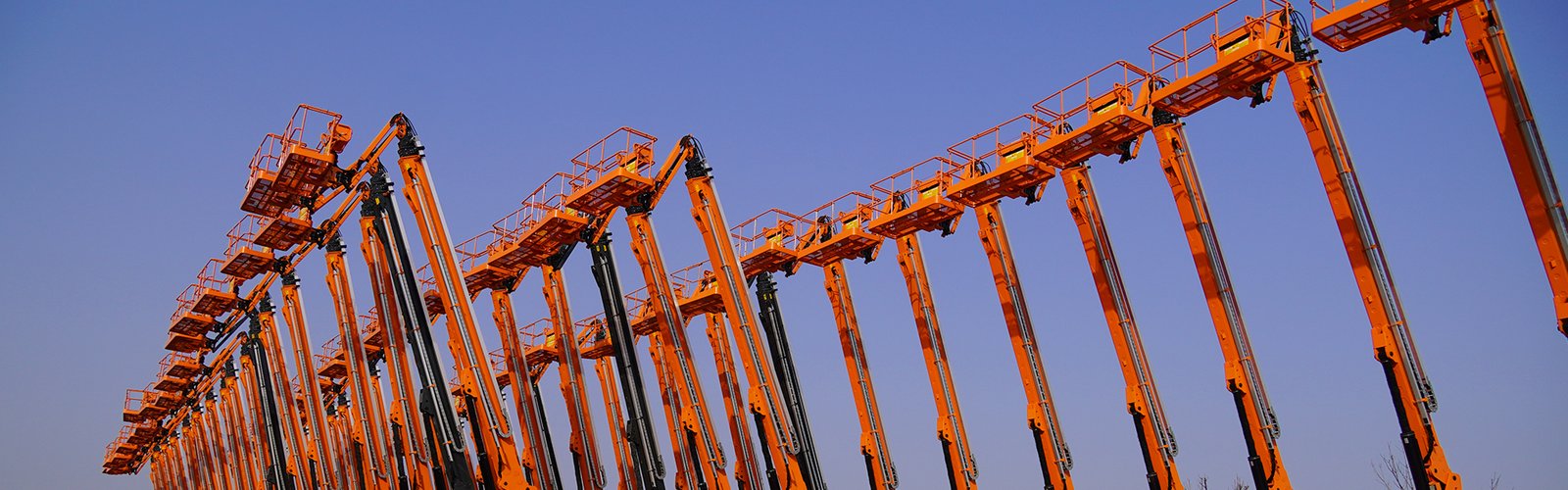
Articulating boom lifts, by contrast, excel when there are barriers between the machine base and the work zone. If you need to reach over walls, machinery racks or building framing, a boom lift can angle its arm into position where a scissor lift cannot. The tradeoff is a much smaller platform basket, lower load capacity, higher purchase price and more complex hydraulic and joint systems that need regular servicing. Boom lifts also tend to be slower to operate and take more training for new operators.
For outdoor uneven sites, you can compare rough terrain versions of both. rough terrain scissor aerial work platform offers stable large workspace on open ground, but still cannot reach around obstructions. If your jobs alternate between open-area maintenance and obstacle-overreaching tasks, some buyers choose to add one of each type to their fleet. If your budget only allows one machine, audit your most frequent job scenarios first.
Another practical difference is site footprint. self-propelled scissor aerial work platform has a compact base and tight turning radius on many electric models, making navigation inside narrow aisles straightforward. Most articulating boom lifts are longer and wider, requiring more maneuvering space.
When planning your purchase, list your top three most common work scenarios. If most jobs have clear access straight below the work point, invest more in self-propelled scissor lift. If you regularly need to reach over barriers, allocate budget for boom lifts. Our sales team can walk through your job photos and help you make a balanced purchasing decision.