


























What Are Two Types of Boom Lifts? Articulating vs Telescopic Boom Lift
2026-10-19 osen-lift Views: 0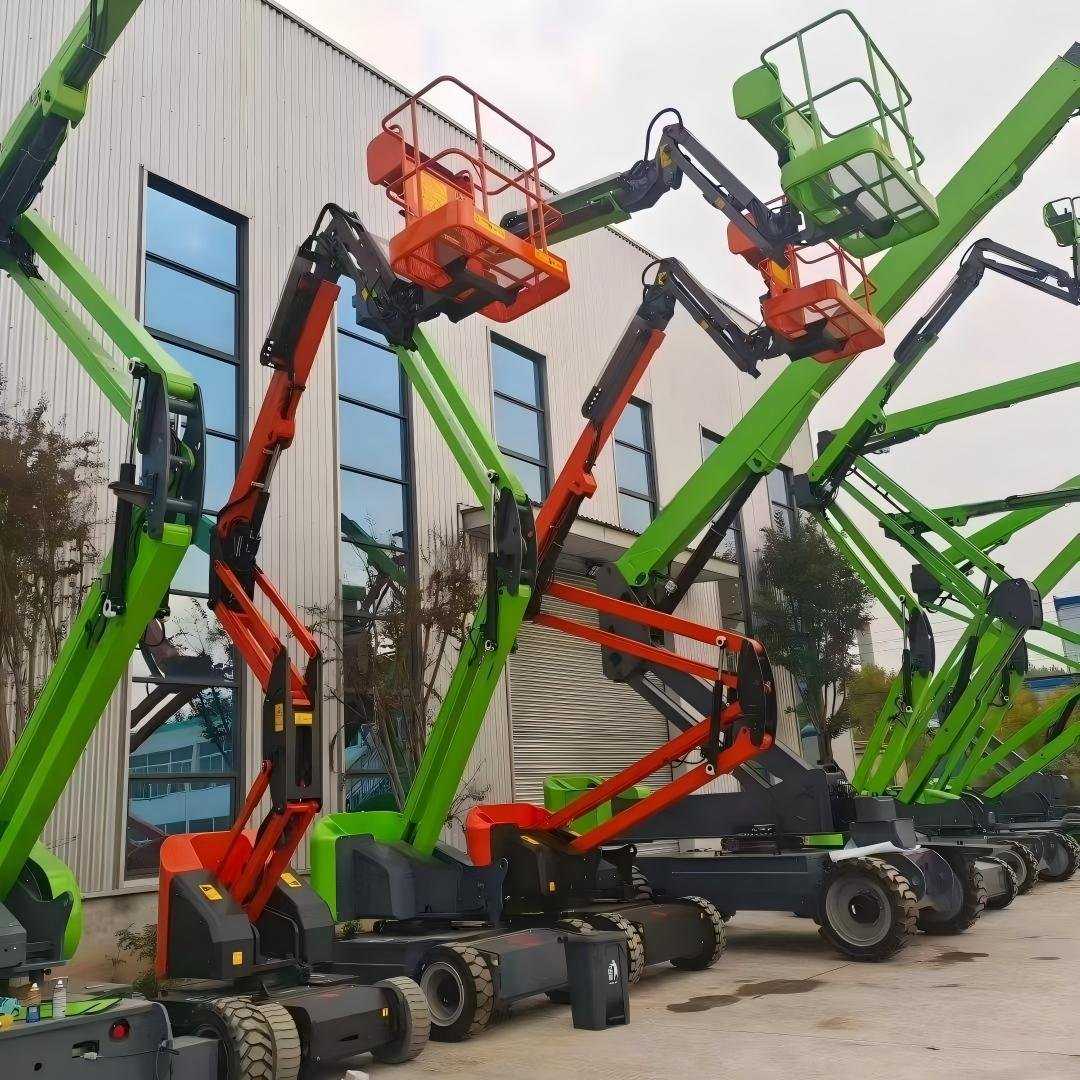
Boom lifts, also called cherry pickers or mobile aerial work platforms, are essential high-access machines used in construction, facility maintenance, sign installation and infrastructure projects. A frequent question from equipment buyers, rental companies and site contractors is: what are two types of boom lifts? The two core classifications are articulating boom lifts, also known as knuckle boom lifts, and telescopic boom lifts, or straight boom lifts.
At OSEN, our engineering team has designed and exported aerial work platforms for global clients for over a decade. We work closely with project managers and equipment operators to match boom lift models to real site conditions. While both boom lift designs safely lift workers and hand tools to elevated work areas, their mechanical design, movement capabilities and suitable working environments have clear differences.
1. Articulating Boom Lift (Knuckle Boom Lift)
An articulating boom lift is built with multiple hinged boom segments, much like a series of connected elbow joints. This multi-jointed hydraulic arm is its key advantage, letting the boom bend, fold and reach up and over obstacles including steel beams, scaffolding, building walls and pipe racks.
Core Features of Articulating Boom Lifts
Multi-section hydraulic knuckle boom construction
360-degree continuous turntable rotation for flexible positioning
Dual power configurations: electric models with zero emissions for indoor factory maintenance; diesel models built for outdoor rough terrain
Excellent maneuverability in confined, cluttered work zones
Common Applications
Articulating boom lifts are selected when physical barriers lie between the machine base and the target work location. Typical jobs include:
Exterior facade maintenance for commercial buildings
Indoor equipment inspection inside manufacturing facilities
Urban street lamp repair, tree trimming and commercial sign mounting
High-altitude operations among steel framing and scaffolding
For sites with obstructions blocking direct access, articulating knuckle boom lifts can reach positions that straight boom lifts cannot access.
2. Telescopic Boom Lift (Straight Boom Lift)
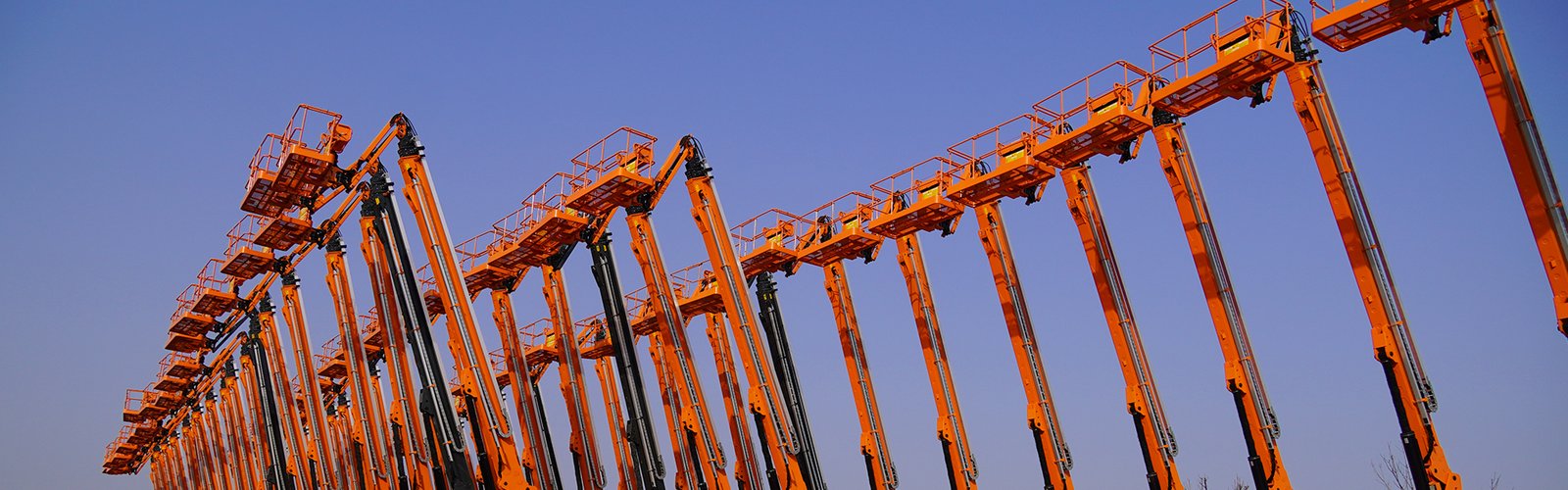
A telescopic boom lift uses nested straight boom sections that slide outward in a linear motion, similar to a handheld telescope. The main boom has no bending joints. It extends in a straight line to deliver exceptional maximum working height and horizontal outreach.
Core Features of Telescopic Boom Lifts
Nested straight boom sections with no knuckle joints
Industry-leading horizontal reach and vertical working height
Stable operation on uneven, rough outdoor terrain
Rapid boom extension to improve productivity for high-altitude work
Common Applications
Telescopic boom lifts perform best on open job sites without major obstacles in the working path. Common use cases:
Bridge inspection and structural maintenance
New construction of large commercial buildings
Highway billboard and street light installation
Exterior inspection for petrochemical plants
High-level maintenance for stadiums and large warehouses
When your project requires long straight reach and you have open ground space, telescopic straight boom lifts offer higher working efficiency.
Key Differences Between Articulating and Telescopic Boom Lifts
Articulating boom lifts prioritize flexibility around obstacles. The hinged knuckle design makes them ideal for tight spaces and complex site layouts. Electric versions are widely used indoors because they produce no exhaust fumes.
Telescopic boom lifts focus on maximum reach and height. Their rigid straight boom delivers longer horizontal distance. Most telescopic units run on diesel power, built to handle uneven outdoor ground for heavy construction and infrastructure tasks.
How to Choose Between the Two Boom Lift Types
Start your selection by assessing three critical site factors: obstacles, required reach and working environment.
If walls, beams or scaffolding block a straight line to your work point, choose an articulating boom lift. If you need maximum horizontal outreach in an open area, the telescopic boom lift is the better option. Indoor maintenance projects usually use electric articulating boom lifts. Large outdoor construction and infrastructure jobs typically use diesel telescopic boom lifts.
FAQ
Q: What are the two main types of boom lifts? A: The two primary boom lift types are articulating knuckle boom lifts and telescopic straight boom lifts.
Q: What is the biggest difference between articulating and telescopic boom lifts? A: Articulating boom lifts have jointed arms to navigate over obstacles. Telescopic boom lifts use straight sliding boom sections for longer linear reach.
Q: Is a cherry picker the same as a boom lift? A: Yes. Cherry picker is a common informal term for boom lift, one category of mobile aerial work platforms.
Conclusion
To answer the question “what are two types of boom lifts”, the two major categories are articulating boom lifts and telescopic boom lifts. Articulating knuckle boom lifts solve high-access work in obstructed areas, while telescopic straight boom lifts deliver maximum reach for open job sites.
Working with an experienced aerial work platform manufacturer like OSEN helps you select the correct boom lift for your project, improving site safety and operational efficiency. Contact our team if you need technical specifications or product recommendations for your next high-altitude work project.